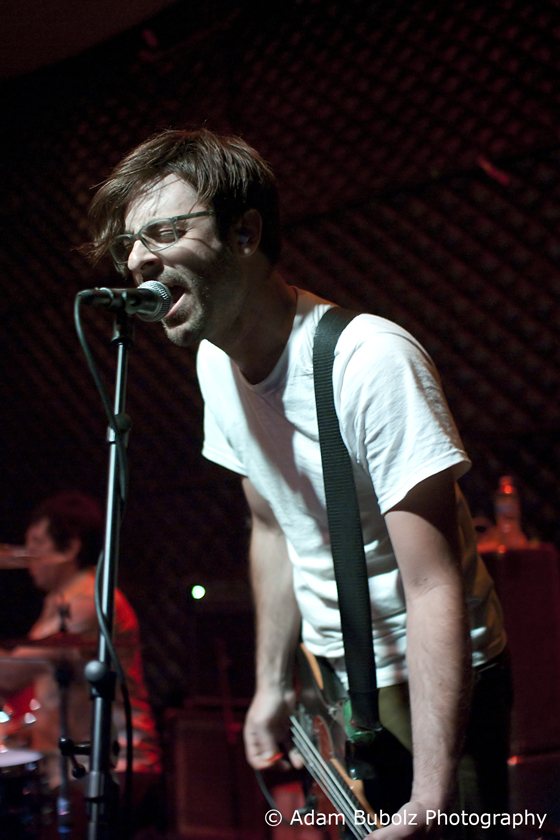
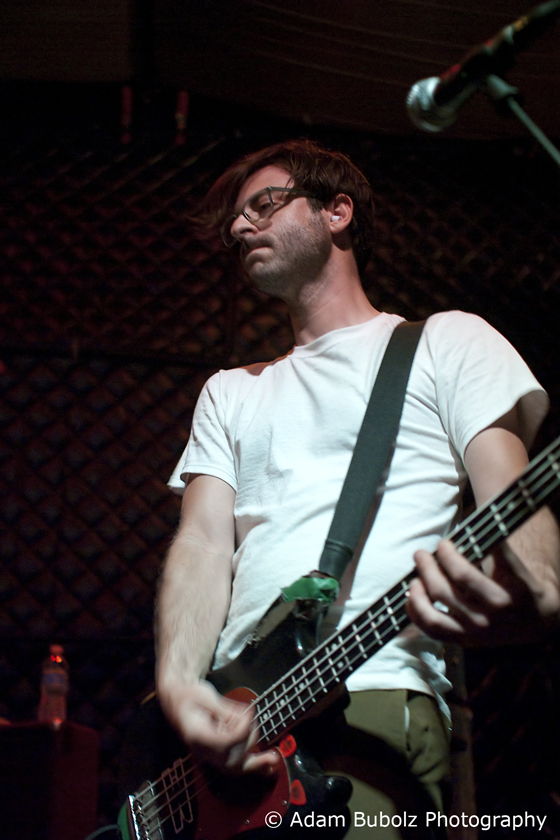
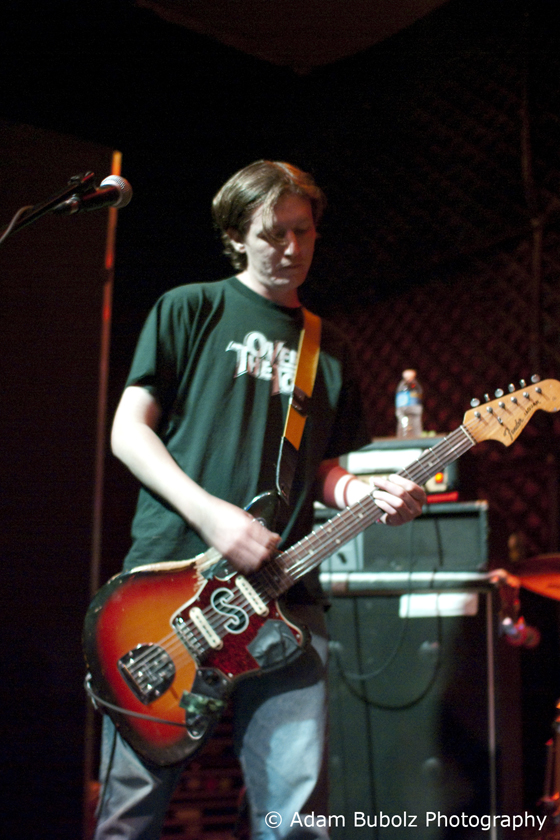
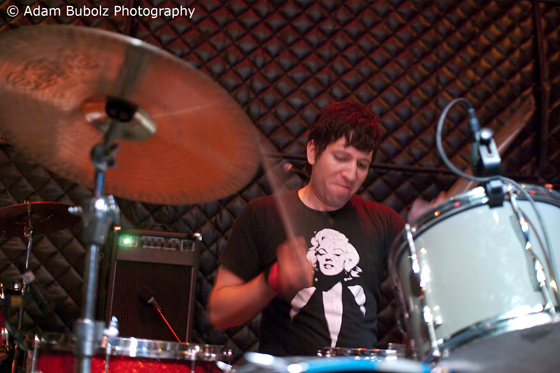
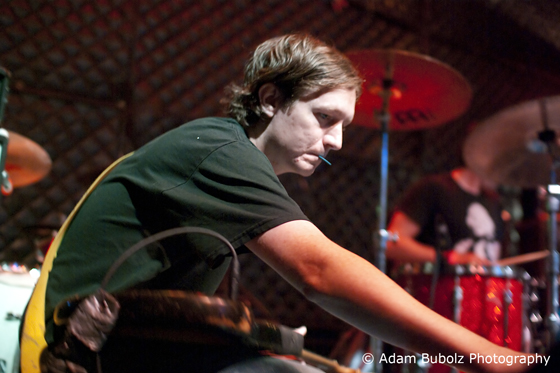

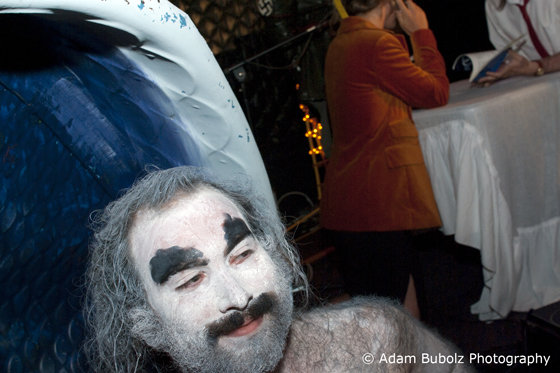
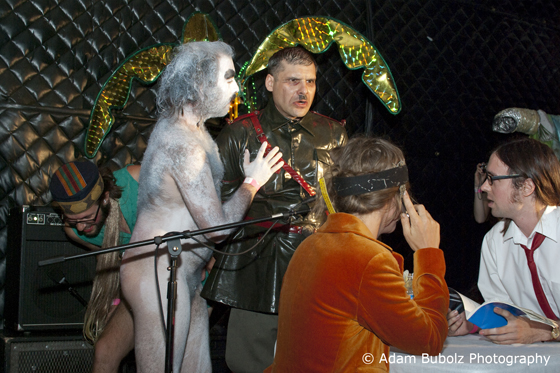
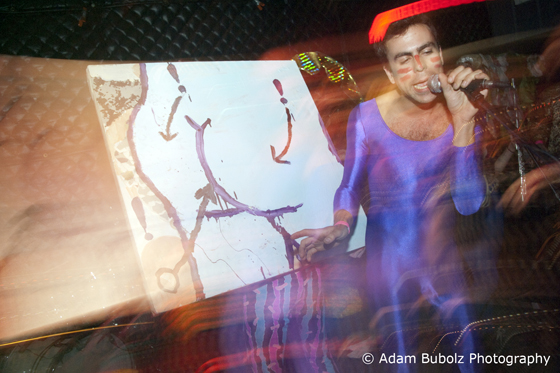
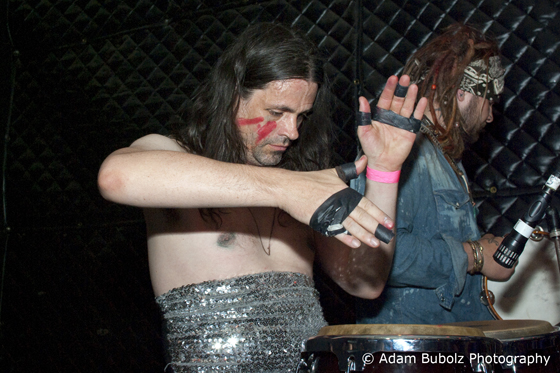
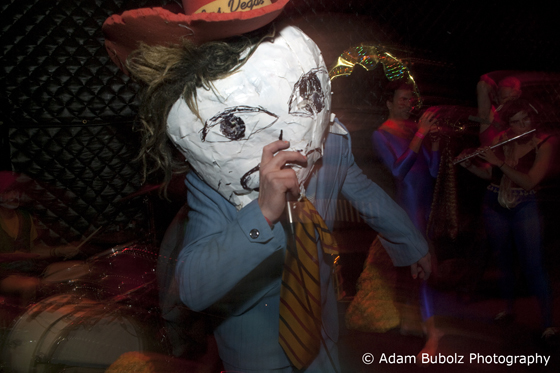
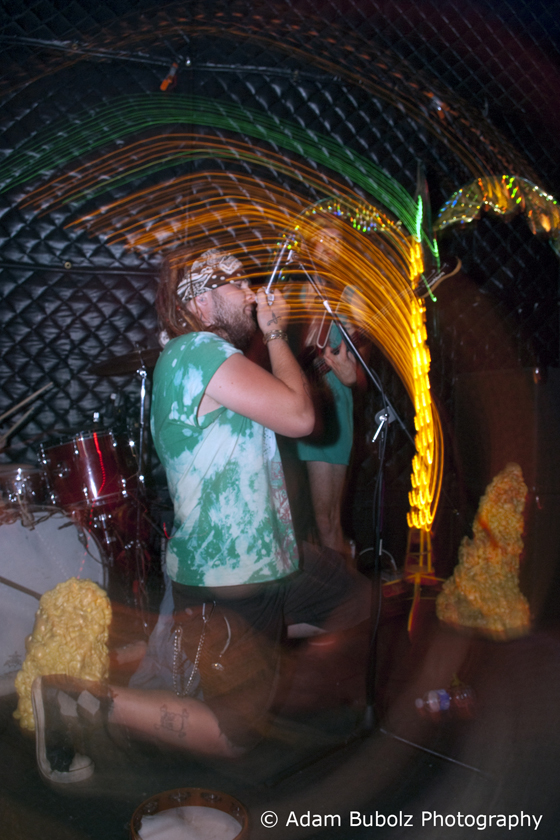
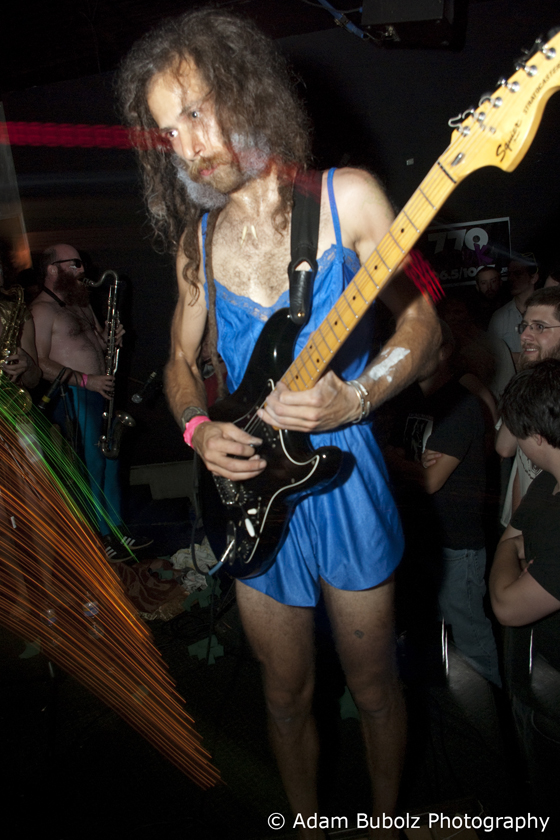
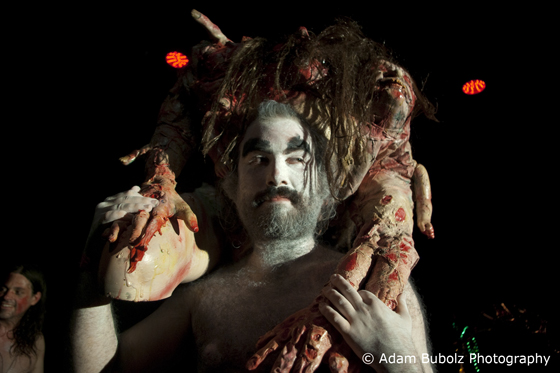
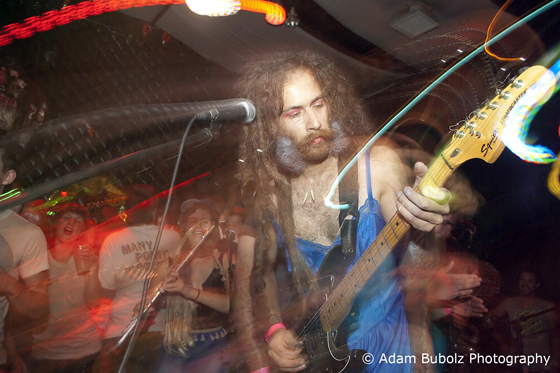
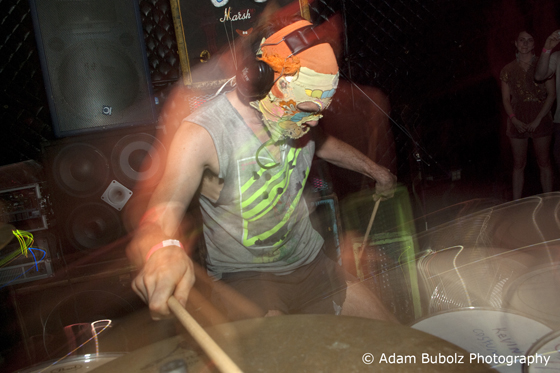
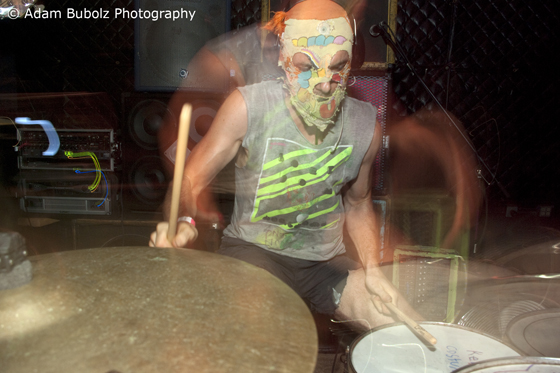
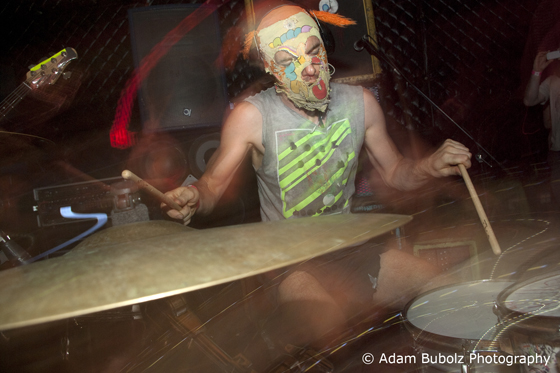
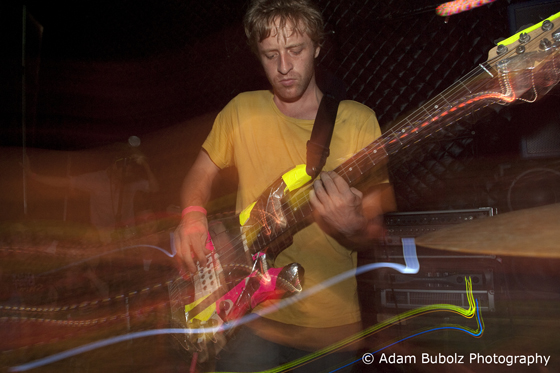
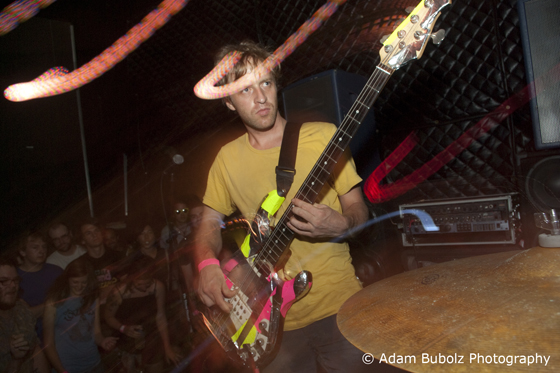
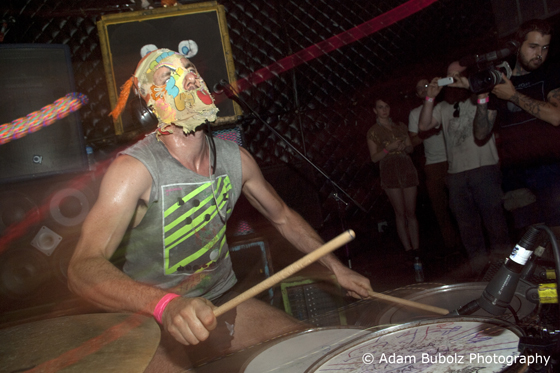
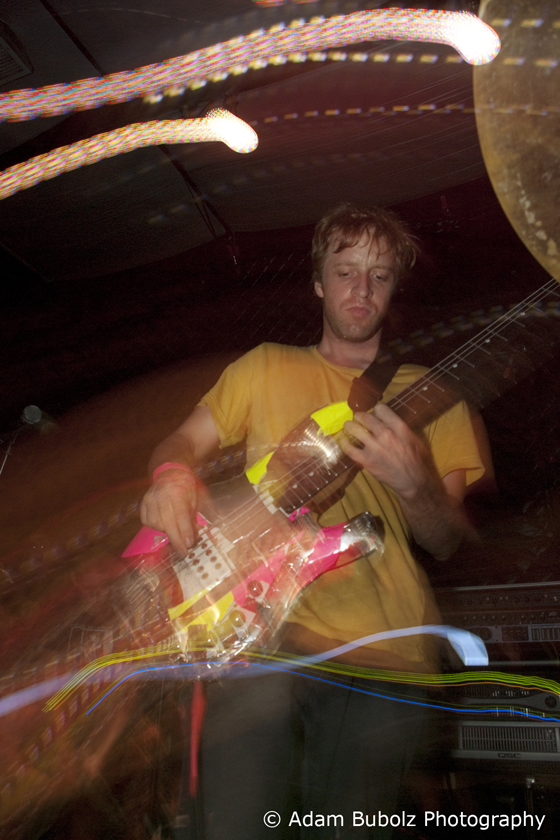
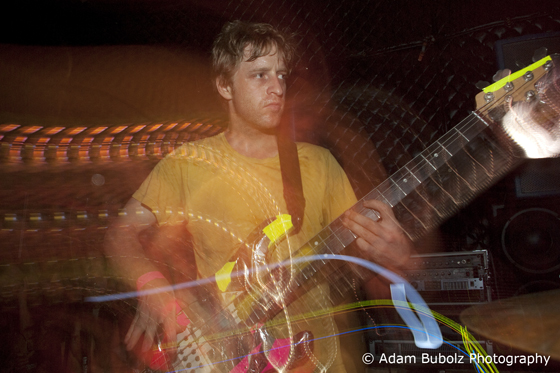
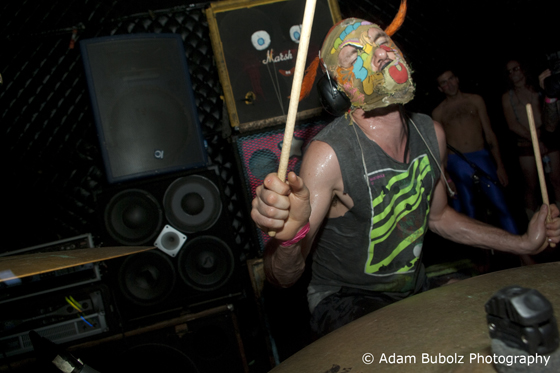
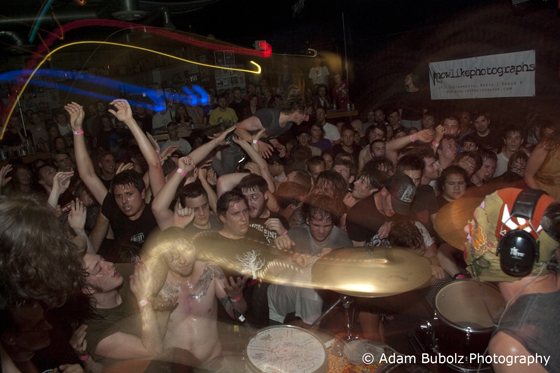
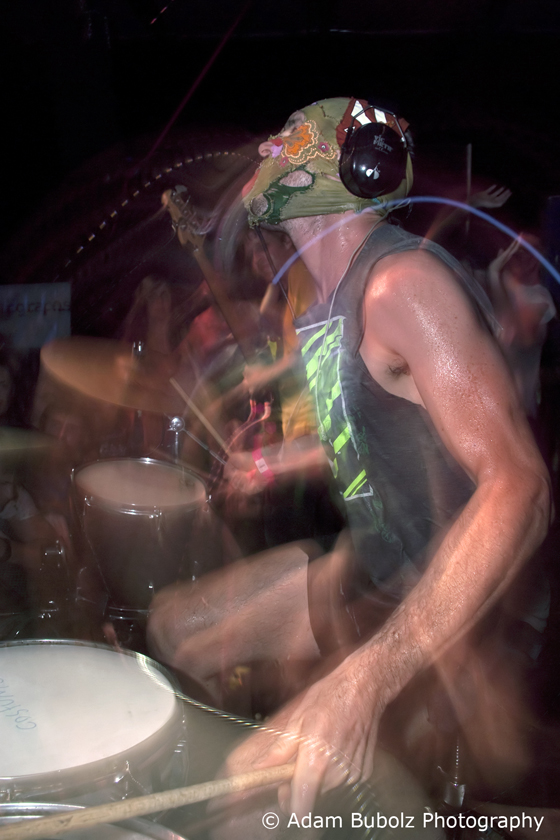
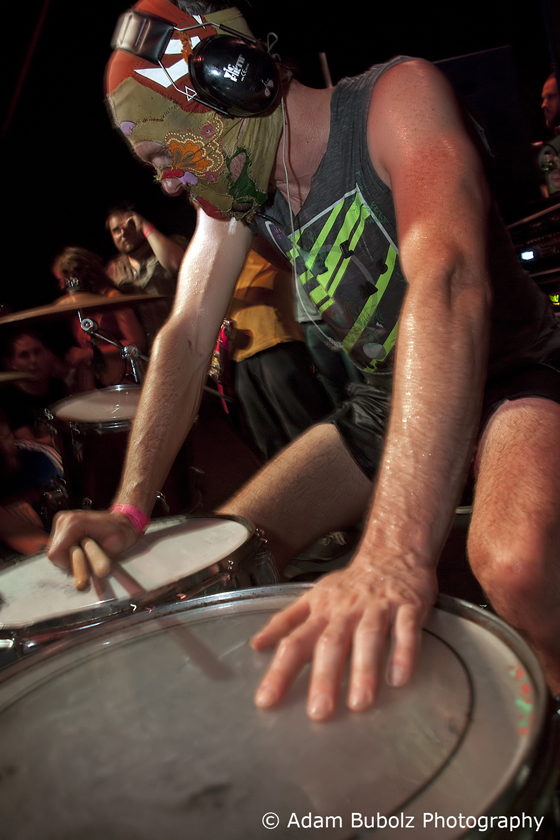



Photos: Lightning Bolt at the Triple Rock

Seawhores


Knife World


Lightning Bolt


Seawhores
Knife World
Lightning Bolt

Personal Story: Interview With Former Director for Transnational Threats on National Security Council Roger Cressey

O’Reilly Factor (FOX News) May 22, 2003 | Bill O’Reilly Bill O’Reilly The O’Reilly Factor (Fox News Network) 05-22-2003 O’REILLY: In the “Personal Story” segment tonight, as you may know, I have been very critical of former attorney general, Janet Reno, because evidence suggests that she simply would not investigate major corruption during the Clinton administration. Now, ABC News is reporting that Ms. go to website national security council

Reno may have stopped an FBI operation designed to kill or capture Osama Bin Laden in Afghanistan. The year, 1998, under President Clinton.

Joining us now from Washington is Roger Cressey, former director for Transnational Threats on National Security Council. Mr. Cressey, What say you about the report?

ROGER CRESSEY, FORMER NATIONAL SECURITY COUNCIL OFFICIAL: Well, Bill, the short answer is Janet Reno doesn’t have a veto authority over that type of activity. Janet has one vote at the table when the principals meet on issues like this, but she doesn’t have a veto. I think what the story says is this was a joint FBI-CIA operation and, in effect, it would have been the CIA that would have had the veto authority over this.

O’REILLY: Well, according to the report that we have ABC News, the FBI put together this operation. Now, you know how the FBI and the CIA get along, OK? So, I don’t know, I’m not there.

But, if it was an FBI operation, Janet Reno could have shut it down because she shut down a number of operations that were involved with President Clinton getting money from the Chinese military for a campaign, Johnny Chung, shut them down by various — various degrees. You know what I mean? And that’s very well known.

So it — it doesn’t strain credulity to think that she might have interfered with the FBI’s participation in the bin Laden situation here.

CRESSEY: Well, I can’t speak to the other episodes, but I do know the counterterrorism portfolio, and the way it works on counterterrorism policy is that all the principals come together when there is a plan that passes the test for their consideration.

O’REILLY: Right.

CRESSEY: Their job then is to review it, see if they have all the intelligence that they need, is the operational plan sound from a variety of perspectives, and then decide whether or not to re — to send it to the president.

O’REILLY: All right. But here’s — here’s my scenario. ABC News is usually pretty good…

CRESSEY: Usually.

O’REILLY: … on these kind of stories, all right? You know, they — they don’t make them up. And they got — they got a source here. Jack Cloonan, former FBI agent, is now ABC News consultant. He works for them, OK?

CRESSEY: Right.

O’REILLY: Got to take that into consideration, all right?

CRESSEY: Sure.

O’REILLY: Now he says flat out this happened. Now I have a tendency to believe Mr. Cloonan, and I’ll tell you why because Reno wouldn’t make this call on her own, no way she does that.

She was a puppet attorney general, one of the worst attorney generals that the country’s ever had, maybe the worst. She took her orders from Bill Clinton.

Bill Clinton was very hesitant to do any of this kind of stuff, and I spoke to the president myself about this, all right, and he claims that he was very aggressive in hunting Usama bin Laden, but he was not.

We know he didn’t in the Sudan, all right. We know that he was very, very cautious in launching any military action on foreign soil, particularly after Somalia, all right.

So I’m believing this report from Cloonan.

CRESSEY: Well, look, Jack’s actually a very good FBI agent, and I don’t doubt his intentions here, but, you know, here’s the bottom line when it comes to finding bin Laden in Afghanistan prior to 9/11.

You needed actionable, predictive intelligence about where he was on a given day in order to put together an operation that then could be successful, and whether or not Attorney General Reno killed this plan is really immaterial.

The real issue is did we have the type of actionable intelligence…

O’REILLY: Well, we’ll never know. We’ll never know.

CRESSEY: We will never know.

O’REILLY: But I don’t think that’s the real issue. See, what I think the real issue is is that the Clinton administration, for at least six years out of the eight that they were in office, knew that al Qaeda and Usama bin Laden were threats to this country. Yet they were very, very hesitant to take proactive action against him and al Qaeda for a variety of political reasons. And I don’t think you would deny that, would you? here national security council

CRESSEY: Actually, I would deny that on counterterrorism. I mean I served in both the Clinton and the Bush National Security Council staffs, and the issue was always what type of information do we have that would allow us to…

O’REILLY: All right. But wait a minute. If you’re going to deny that…

CRESSEY: … go after these guys.

O’REILLY: … how do you then square the Sudan government telling us, the press and everybody else, hey, we would have handed this guy over to you, and you didn’t want him? How do you square that?

CRESSEY: Well, there’s a couple of points there.

One, the person who was the agent of the Sudanese government had his own agenda. There was never any compelling evidence given to the administration saying that was going to be the case.

So you can’t just take this one individual’s word at face value. He had his own agenda there.

And trust me, if there were…

O’REILLY: Backed up by the Saudis. They backed it up.

CRESSEY: No. Actually, they did not.

O’REILLY: Well…

CRESSEY: There was conflicting signals there, and the Saudis, as you well know, Bill…

O’REILLY: All right. Now…

CRESSEY: … sometimes speak out of both sides of their mouth.

O’REILLY: To be — that’s truth. To be fair, in hindsight, after 9/11, it’s a lot easier to make these charges, and I can’t prove it…

CRESSEY: Absolutely.

O’REILLY: … but I’m just saying, hey, there might be something here.

Mr. Cressey, thanks very much. Very interesting.

CRESSEY: Thank you.

O’REILLY: When we come back, the most controversial story of the evening by far. An Arizona man may spend the rest of his life in prison for possessing child porn. Right back with it.

(COMMERCIAL BREAK)

Adam Bubolz tagged this post with: , , , , Read 373 articles by

One Comments

  1. headache says:

    crap.

Leave a Reply

Your email address will not be published. Required fields are marked *

*

You may use these HTML tags and attributes: <a href="" title=""> <abbr title=""> <acronym title=""> <b> <blockquote cite=""> <cite> <code> <del datetime=""> <em> <i> <q cite=""> <strike> <strong>